Falls are not an inevitable part of aging, yet they remain one of the leading causes of injury and loss of independence for older adults. A single fall can change everything, leading to fractures, hospitalization, fear of moving freely, and dramatically reduced quality of life. The good news? Most falls are preventable with the right approach, and physiotherapy is one of the most effective fall prevention strategies available.
Understanding Why Falls Happen
Falls rarely have a single cause. Usually, multiple factors combine to create fall risk. Muscle weakness, particularly in legs and core, makes it harder to catch yourself when you stumble. Balance problems affect your ability to stay steady during daily activities. Medication side effects can cause dizziness or confusion. Vision changes make it harder to see obstacles or judge distances. Home hazards like loose rugs or poor lighting create trip risks. Medical conditions including arthritis, Parkinson's, or stroke affect mobility and stability.
Effective fall prevention addresses as many of these factors as possible, creating multiple layers of protection against falls.
How Physiotherapy Reduces Fall Risk
Physiotherapy takes a comprehensive approach to fall prevention. Your physiotherapist conducts a thorough assessment of your balance, strength, walking pattern, and fall risk factors. They identify specific weaknesses or problems contributing to your risk, then design a personalized program addressing your particular needs.
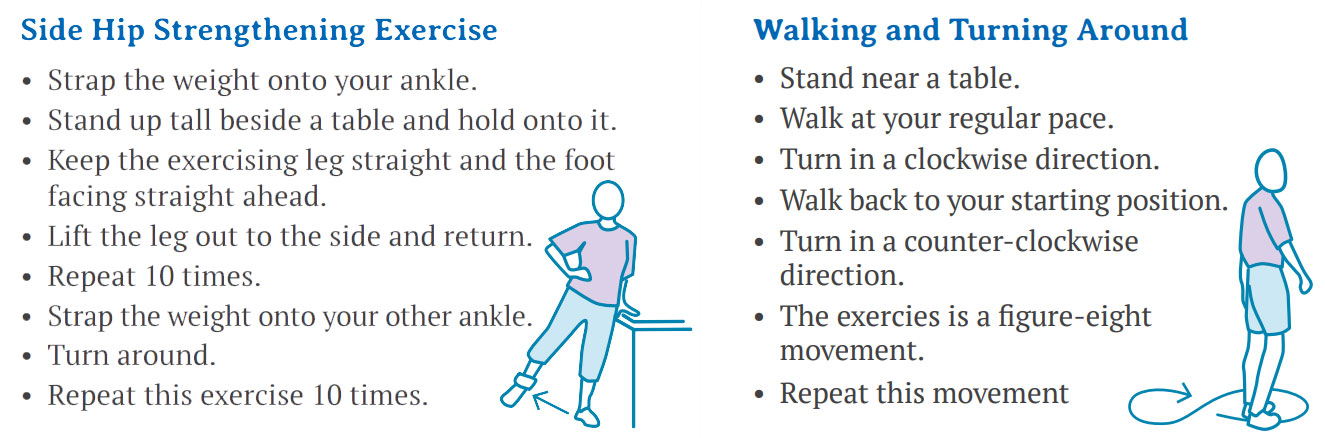
Treatment includes strength training to build leg and core muscles that keep you stable, balance exercises that challenge your stability systems progressively, gait training to improve walking patterns and confidence, and coordination activities that help you respond quickly when balance is challenged. These exercises are progressive, starting at your current ability level and gradually increasing difficulty as you improve.
Home Hazard Assessment
One of the unique advantages of mobile physiotherapy for fall prevention is that your physiotherapist can assess your actual home environment. They walk through your living spaces identifying specific risks like loose carpets or mats, poor lighting in hallways or stairways, lack of grab bars in bathrooms, cluttered pathways, unstable furniture used for support, and slippery floor surfaces.
Beyond just identifying hazards, your physiotherapist provides specific, practical recommendations for modifications. They understand what changes make the biggest difference in fall risk while being realistic about what's feasible for your situation and budget. This practical, home specific assessment addresses risks in the exact environment where you live, making recommendations directly applicable to your daily safety.
Building Confidence Alongside Strength
Fear of falling often becomes a self fulfilling prophecy. When you're afraid of falling, you move less, which leads to weakness and deconditioning, which actually increases your fall risk. This vicious cycle traps many older adults in progressively smaller, safer worlds.
Physiotherapy breaks this cycle by building both physical capability and confidence simultaneously. As you get stronger and more stable, you naturally feel more confident. Your physiotherapist helps you practice challenging movements in safe, supported ways, proving to yourself that you can handle more than you thought. This restored confidence encourages more activity, which further improves strength and balance, creating a positive cycle instead of a negative one.
Special Considerations for Specific Conditions
People with neurological conditions face particular fall risks. Stroke survivors often have weakness on one side and balance problems. Parkinson's disease affects walking patterns and balance reflexes. Multiple sclerosis causes weakness and coordination problems. Aged care physiotherapy programs are specifically designed around these conditions, addressing their unique challenges while building practical fall prevention strategies.
For NDIS participants with mobility challenges, fall prevention often connects directly to independence goals. Reducing fall risk enables greater freedom and confidence in daily activities, supporting broader goals around community participation and autonomous living.
Combining Approaches for Maximum Protection
The most effective fall prevention combines multiple strategies. Regular physiotherapy builds physical capability through strength and balance training. Home modifications remove environmental hazards. Medication reviews with your doctor address drugs that increase fall risk. Vision checks ensure glasses prescriptions are current. Proper footwear provides good support and grip.
Your physiotherapist can coordinate with other healthcare providers, ensuring everyone working with you understands your fall risk and is contributing to your safety. This team approach creates comprehensive protection against falls.
Whether you live in Hornsby, Aspley, Hope Island, or anywhere else across our service areas, mobile fall prevention physiotherapy brings expert assessment and training directly to your home, addressing risks in your actual living environment while building the strength and balance that keep you safe.
Falls don't have to limit your life or steal your independence. With proper physiotherapy, home modifications, and ongoing support, you can stay active, confident, and safe in your own home for years to come.
Ready to Reduce Your Fall Risk?
Visit Health Next Door to learn more about fall prevention physiotherapy and how we can help you stay safe and independent.
Connect With Us: Facebook: healthnextdooraustralia Instagram: @healthnextdoor LinkedIn: Health Next Door Sydney YouTube: Health Next Door Channel X: @healthnextdoor